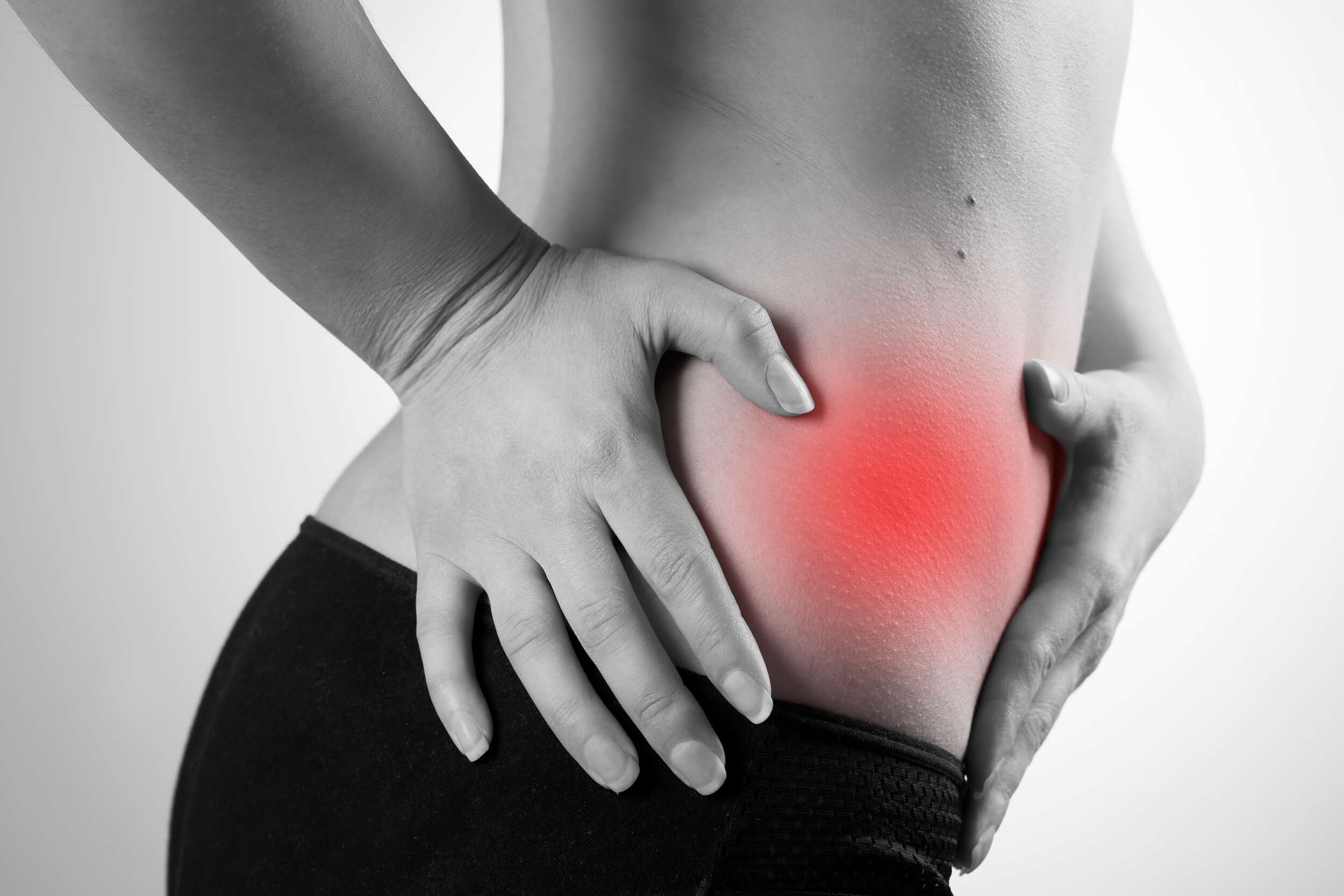
Understanding your symptoms
is an important step toward
seeking appropriate care.
Endometriosis can cause painful
periods, persistent pelvic pain,
fatigue and other symptoms
that affect everyday life.
Experiences vary from person
to person, and some individuals
may have no noticeable symptoms.
Persistent or severe pain
deserves attention.
You do not have to wait
until symptoms become
unbearable to seek advice.
Symptoms can vary.
Pain and other symptoms
may occur during or
outside menstrual periods.
Symptoms vary
Experiences differ between individuals.
Not only during periods
Symptoms may also occur at other times.
Sometimes no symptoms
Endometriosis can be asymptomatic.
Assessment matters
Symptoms alone cannot confirm a diagnosis.
Understanding Symptoms
Endometriosis affects
everyone differently.
Symptoms associated with
endometriosis can involve
different parts of the body
and may change over time.
Some people experience
severe menstrual pain,
while others have
discomfort between periods,
bowel or bladder symptoms,
fatigue or fertility difficulties.
The intensity of symptoms
does not always indicate
how extensive the condition is.
Some people with endometriosis
experience little or no pain.
Symptom Explorer
Recognising the
possible signs.
Endometriosis can involve
several different symptoms.
Explore the categories below
to understand some of the
possible experiences.
Showing common symptoms
and associated effects.
PAIN & PERIODS
01
Painful Periods
Menstrual pain may be
intense enough to interrupt
normal activities,
including school,
work or daily routines.
PAIN & PERIODS
02
Chronic Pelvic Pain
Persistent or recurring
pain in the lower abdomen
or pelvic area may occur
during periods or at
other times.
PAIN & PERIODS
03
Pain During or After Sex
Some people experience
deep pelvic pain during
or after sexual intercourse.
This may affect physical
comfort and relationships.
PAIN & PERIODS
04
Heavy Periods
Some individuals experience
heavy menstrual bleeding.
Heavy bleeding can also
have other causes and
should be assessed.
BOWEL & BLADDER
05
Painful Bowel Movements
Pain or discomfort
during bowel movements
may occur, sometimes
becoming more noticeable
around menstruation.
BOWEL & BLADDER
06
Painful Urination
Bladder discomfort or
pain when passing urine
may occur, particularly
around menstrual periods.
Other causes also need
consideration.
BOWEL & BLADDER
07
Bloating & Nausea
Abdominal bloating,
digestive discomfort
or nausea may accompany
other endometriosis-related
symptoms.
WELLBEING
08
Fatigue
Persistent tiredness
or reduced energy
can make everyday tasks
difficult, especially
when living with
ongoing pain.
WELLBEING
09
Anxiety & Low Mood
Living with persistent
symptoms may contribute
to emotional distress,
low mood, anxiety
or difficulties with
overall wellbeing.
FERTILITY
10
Fertility Difficulties
Endometriosis can be
associated with difficulty
becoming pregnant.
However, many people
with endometriosis
can conceive.
Important:
Having one or more of these
symptoms does not automatically
mean you have endometriosis.
Other conditions can cause
similar symptoms, and some
people with endometriosis
may have no symptoms.
Understanding Pain Patterns
Pain is not always
limited to periods.
Menstrual pain is
commonly associated
with endometriosis,
but symptoms are not
always restricted
to menstruation.
Some people experience
recurring pelvic pain
throughout the month.
Others notice changes
in bowel or bladder
discomfort around
their menstrual cycle.
Understanding when symptoms
occur can help healthcare
professionals assess
possible causes and
discuss appropriate care.
Pain and some bowel
or bladder symptoms
may become more noticeable
before or during periods.
02
Between Periods
Some individuals
experience ongoing
or recurring pelvic
discomfort even when
they are not menstruating.
03
Changing Patterns
Symptoms may fluctuate
over time or change
in response to different
circumstances and
treatment approaches.
Persistent symptoms can affect
everyday comfort and wellbeing.
Beyond Physical Symptoms
The impact can extend
into everyday life.
Endometriosis can affect
more than physical health.
Pain, fatigue and
associated difficulties
may influence school,
employment, relationships
and emotional wellbeing.
School & Employment
Symptoms may interfere
with attendance,
concentration,
productivity and
everyday responsibilities.
Relationships & Intimacy
Pain, fatigue
and emotional strain
may affect intimacy,
social activities
and relationships.
Emotional Wellbeing
Persistent symptoms
and uncertainty can
contribute to stress,
anxiety, low mood
and emotional distress.
Can endometriosis cause pain
outside menstrual periods?
Yes. Some people experience
ongoing or recurring pelvic
pain at different times
during the month,
not only during menstruation.
Can someone have endometriosis
without symptoms?
Yes. Endometriosis can
sometimes be asymptomatic,
meaning a person has
the condition without
noticeable symptoms.
Does severe pain always mean
endometriosis is advanced?
No. The severity of pain
does not always correspond
to the extent of
endometriosis lesions.
Symptom intensity
and disease extent
can differ considerably.
Can teenagers experience
endometriosis symptoms?
Yes. Symptoms may begin
during adolescence,
including in the years
after menstruation starts.
Severe menstrual pain
should not be dismissed
solely because someone
is young.
Does endometriosis
always cause infertility?
No. Endometriosis can be
associated with fertility
difficulties, but many
people with the condition
are able to become pregnant.
Fertility concerns
should be discussed
with a qualified clinician.
Do symptoms always disappear
after menopause?
Symptoms often improve
after menopause,
but endometriosis-related
symptoms can sometimes
continue.
Persistent or new pelvic
symptoms after menopause
should be medically assessed.
Continue Learning
Explore your next
questions.
Learn more about
endometriosis, diagnosis,
treatment and emotional wellbeing.
Medical Information Notice:
This page provides general
educational information only.
It does not replace
professional medical advice,
diagnosis or treatment.
If you have concerning symptoms,
seek assessment from a qualified
healthcare professional.
For emergency symptoms,
seek urgent medical care.