
Endometriosis Frequently Asked Questions.
Your questions deserve clear, reliable answers.
Understanding endometriosis can help you recognise possible symptoms, prepare for medical appointments and participate in informed conversations about your health.
Explore common questions about endometriosis, diagnosis, treatment, fertility and everyday wellbeing.
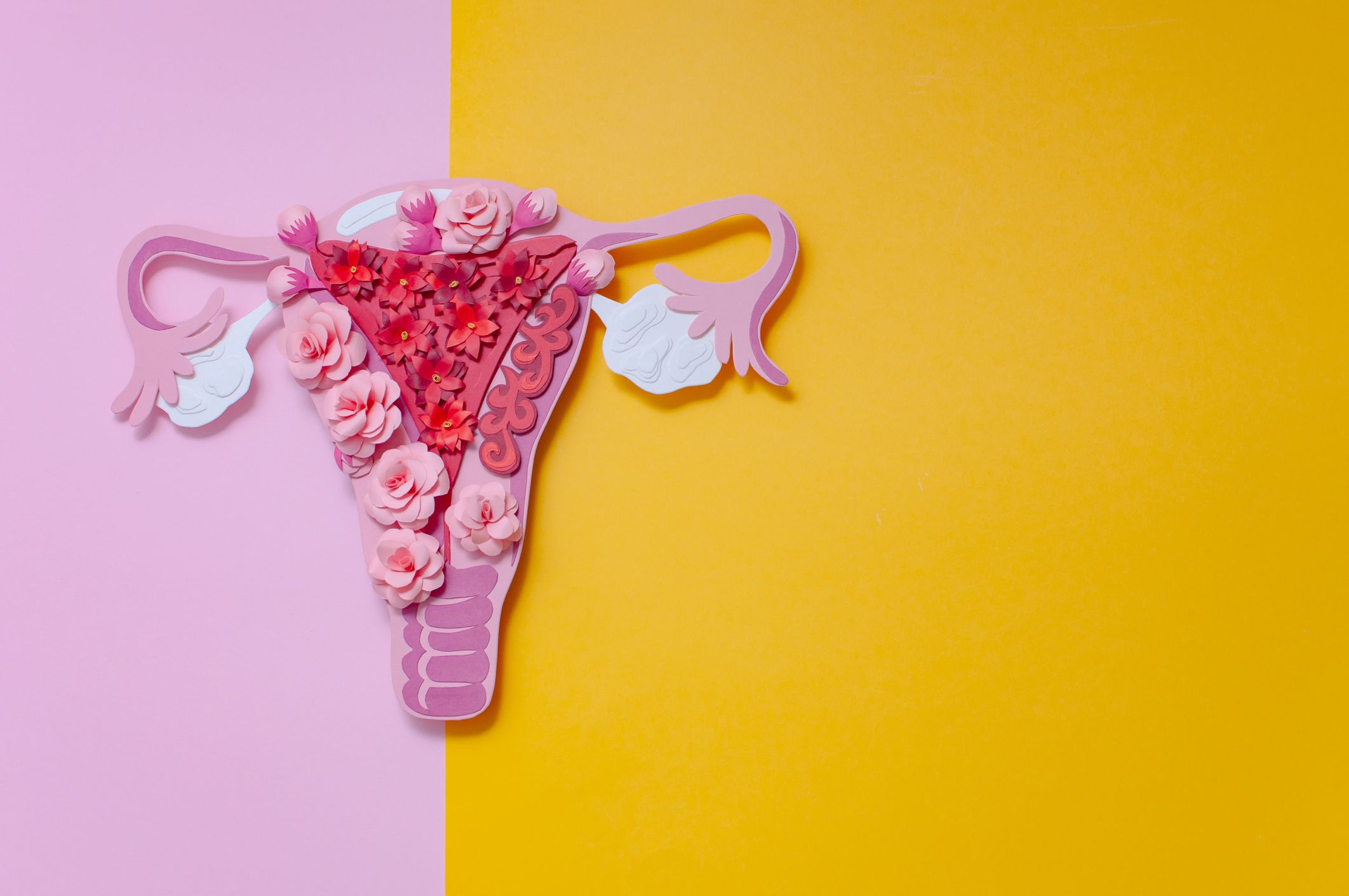
Questions people often ask.
Explore three important questions about endometriosis.
Is there a cure for endometriosis?
Understand what current treatments can and cannot achieve.
Can a normal scan rule out endometriosis?
Learn why medical assessment involves more than imaging alone.
Will endometriosis make me infertile?
Understand fertility concerns without unnecessary assumptions.
The Endometriosis FAQ Knowledge Centre.
Search for a question or browse by topic. Select any question to read its answer.
Explore Your Questions
Browse all available questions.
What is endometriosis?
Endometriosis is a chronic condition in which tissue similar to the lining of the uterus grows outside the uterus. This can cause inflammation, scarring and symptoms such as pelvic pain.
Endometriosis most commonly affects structures within the pelvis, although it can sometimes occur elsewhere in the body.
Learn more about endometriosisHow common is endometriosis?
The World Health Organization estimates that endometriosis affects approximately 10% of women of reproductive age worldwide.
Awareness, access to diagnosis and health information vary between countries and communities.
Who can develop endometriosis?
Endometriosis can affect women and other people who menstruate, including adolescents and adults. Symptoms often begin during the reproductive years.
The condition can affect individuals regardless of background or social status. Symptoms may also persist beyond menopause.
Are some people at greater risk of developing endometriosis?
Research suggests that genetic and family-history factors can influence the likelihood of developing endometriosis.
Having a close relative with the condition may increase risk, but many people with endometriosis have no known family history. A risk factor alone cannot confirm a diagnosis.
Can endometriosis be prevented?
There is currently no established method that reliably prevents endometriosis.
Hormonal contraceptives may help manage symptoms in some people, but they are not proven to prevent endometriosis from developing.
Awareness of symptoms and appropriate medical assessment can support earlier recognition and management.
What are the most common symptoms of endometriosis?
Symptoms may include severe menstrual pain, persistent pelvic pain, pain during or after sex, painful bowel movements or urination, fatigue, abdominal bloating, heavy menstrual bleeding and fertility difficulties.
Symptoms vary considerably, and not everyone experiences the same difficulties.
Explore signs and symptomsIs severe period pain normal?
Some menstrual discomfort is common, but severe or progressively worsening pain should not automatically be dismissed as normal.
Pain that interferes with school, work, sleep or everyday activities deserves medical assessment. Endometriosis is one possible cause, but other conditions may produce similar symptoms.
Can someone have endometriosis without severe symptoms?
Yes. Some people have endometriosis with mild symptoms or no noticeable symptoms.
Symptom severity does not always correspond to the amount or extent of disease. Appropriate assessment depends on individual circumstances.
How is endometriosis diagnosed?
Diagnosis may involve reviewing symptoms and medical history, clinical assessment and imaging investigations such as ultrasound or MRI when appropriate.
Laparoscopy may be considered in selected circumstances, but surgery is not always necessary before treatment begins.
Understand the diagnostic processCan a normal ultrasound or MRI rule out endometriosis?
No. Some forms of endometriosis may not be visible on routine ultrasound or MRI imaging.
A normal scan does not necessarily exclude the condition. Persistent symptoms should be discussed with a healthcare professional, who can consider further assessment or referral.
Learn about diagnostic investigationsIs laparoscopy always required to diagnose endometriosis?
No. A clinician may make a clinical diagnosis using symptoms and relevant imaging findings.
Laparoscopy can still be considered when appropriate, including in some people whose imaging results appear normal.
The decision depends on the clinical situation, patient preferences and the potential benefits and risks.
How can I prepare for a medical appointment?
It may help to keep a record of symptoms, including their timing, severity and impact on daily activities.
Consider discussing your menstrual history, previous treatments, bowel or bladder symptoms, fertility concerns and questions about further investigations.
Is there a cure for endometriosis?
There is currently no known definitive cure for endometriosis.
Treatments may help control symptoms and improve quality of life. Options can include medicines, hormonal treatment, surgery in selected circumstances and multidisciplinary supportive care.
Explore treatment and managementCan drug treatment cure endometriosis?
No medication has been shown to definitively cure endometriosis.
Pain-relieving medicines and hormonal treatments may reduce symptoms in some people. The most suitable approach depends on medical history, treatment goals, side effects and individual preferences.
Symptoms may return after treatment ends.
How does surgery help with endometriosis?
Surgery may involve removing or destroying visible endometriosis lesions and addressing associated adhesions.
Surgical treatment may improve pain or other symptoms for some people. However, surgery has risks, symptoms can persist or recur, and further treatment may still be necessary.
Whether surgery is appropriate should be discussed with a qualified specialist.
What is laparoscopy, and how might I feel afterwards?
Laparoscopy is a surgical procedure performed through small incisions using a camera to examine internal structures.
After surgery, some people experience abdominal discomfort, tiredness, bloating or shoulder-tip pain related to gas used during the procedure.
Recovery varies depending on the procedure, whether additional treatment was performed and individual health factors. A surgical team should explain the expected recovery period, wound care and symptoms requiring urgent review.
Will a hysterectomy cure endometriosis?
No. A hysterectomy, which removes the uterus, does not guarantee that endometriosis or associated symptoms will disappear.
Endometriosis tissue can exist outside the uterus. Hysterectomy may be considered in carefully selected circumstances, but benefits, risks, fertility implications and alternative treatments require specialist discussion.
Will endometriosis make me infertile?
Not necessarily. Endometriosis is associated with fertility difficulties, but many people with endometriosis can become pregnant.
Fertility depends on several factors, including age, other reproductive health conditions and individual circumstances.
If fertility is a concern, a qualified healthcare professional can discuss appropriate assessment and possible options.
Does pregnancy cure endometriosis?
No. Pregnancy is not a cure or recommended treatment for endometriosis.
Symptoms may change during pregnancy, but endometriosis can persist or become symptomatic again afterwards.
How can treatment affect my chances of pregnancy?
Treatment decisions should consider whether pregnancy is currently desired.
Some hormonal treatments prevent pregnancy while they are being used. Hormonal suppression is not recommended solely to improve spontaneous pregnancy rates in people trying to conceive.
In selected circumstances, surgery or assisted reproductive treatment may be discussed with a fertility specialist.
Can endometriosis affect emotional and mental health?
Yes. Persistent pain, fatigue, fertility concerns, social difficulties and uncertainty about symptoms may affect emotional wellbeing.
Some people experience anxiety, low mood or significant distress. Psychological support may be helpful, but this does not mean physical pain is imaginary.
Explore emotional wellbeingCan endometriosis affect work, school and relationships?
Yes. Endometriosis may affect attendance, concentration, relationships, social activities and daily responsibilities.
The effects vary. Appropriate medical care, practical adjustments and supportive communication may help some individuals.
Where can I find information and support in Uganda?
Endometriosis Care Centre Uganda works to increase awareness and understanding of endometriosis through its educational and advocacy activities.
You can contact ECCU to enquire about its current programmes and available support information.
For diagnosis, medical treatment or urgent symptoms, consult an appropriate qualified healthcare provider.
Contact Endometriosis Care Centre UgandaNo matching questions found.
Try another keyword or choose a different category.

Your symptoms deserve attention.
Severe menstrual pain, persistent pelvic discomfort and other symptoms should not automatically be dismissed.
Learning about possible symptoms can help you prepare for conversations with a qualified healthcare professional.
Symptoms alone cannot confirm endometriosis. Similar symptoms can occur with other medical conditions.
Still have a question? We're here to share information.
Contact Endometriosis Care Centre Uganda to enquire about its educational resources, advocacy activities and current support programmes.
Medical references & further reading.
The following organisations provide additional information about endometriosis, its diagnosis, treatment and management.
Medical Information Notice: This FAQ provides general educational information. It does not replace professional medical advice, diagnosis or treatment. Individual symptoms, investigations, medicines and treatment options should be discussed with qualified healthcare professionals. Seek urgent medical assistance for severe or emergency symptoms.